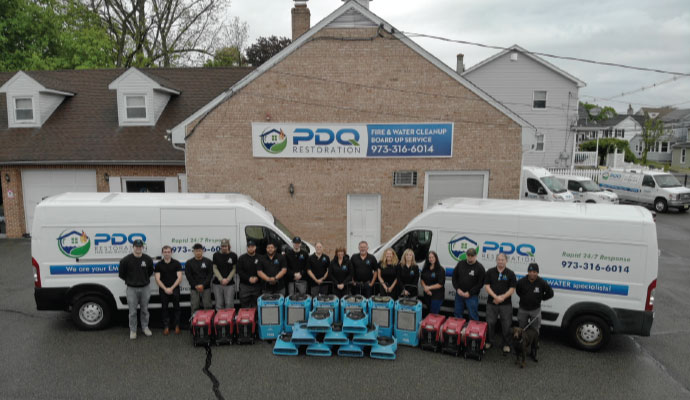
NJ is a state wealthy in history and architectural diversity, home to structures that share the stories of its past. From colonial homes to manufacturing plants from the industry age, each building contains a piece of heritage eager to be renewed. In recent years, the New Jersey Restoration initiative has emerged as a source of hope, invigorating communities by protecting and restoring these historical treasures.
This effort not only aims to celebrate the past but also aims to cultivate a sense of community and pride among residents. By highlighting the significance of restoration, the initiative promotes collaboration among municipal authorities, historical advocates, and community members, joining forces to revive abandoned spaces into dynamic hubs of activity. As we investigate the various aspects of Restoration NJ, we will uncover the motivating narratives behind these transformation projects and the impact they have on NJ's artistic landscape.
Key Restoration Projects in NJ
An important restoration projects in New Jersey is the restoration of the famous Princeton Battlefield State Park. This site, important for its contribution in the American Revolutionary War, has undergone comprehensive renovations to protect its landscape and improve the experience for visitors. Efforts have focused on rehabilitating native plants, improving pathways, and constructing educational facilities that showcase the site's historical significance.
Moreover, an important project is the rehabilitation of the State Theatre in New Brunswick. Originally opened in the year 1921, this magnificent venue has been thoroughly restored to restore its initial grandeur. The project involved upgrading its infrastructure while preserving the decorative architectural details that characterize its style. The theatre now serves as a center of culture, featuring a variety of performances and events that enrich the community.
The restoration efforts at the historical Morristown Park are also noteworthy. Restoration NJ emergency services commemorates significant moments from the Revolutionary War and showcases key structures such as the Mansion of Ford and Washington’s HQ museum. Recent restoration initiatives have focused on preserving these historical buildings and improving the interpretive programs that educate visitors about the nation's history, ensuring that New Jersey's rich history is kept for future generations.
Impact of Redevelopment Efforts on Communities
The revitalization initiatives across NJ have a profound impact on local neighborhoods, breathing new life into neighborhoods that have faced years of decline. Historic buildings structures that previously stood as emblems of pride are being restored, providing a real connection to the area’s heritage. As these initiatives unfold, they not only protect the architectural legacy but also enhance community identity, cultivating a sense of belonging among locals.
Additionally, the economic implications of restoration are significant. Rising property values and renewed interest in regional businesses often follow restoration efforts. As these areas become more attractive, they draw in new inhabitants and tourists alike, creating opportunities for small businesses to flourish. The refurbishment of storefronts and public areas can result in employment opportunities and a boost in local commerce, which ultimately contributes to the entire economic vitality of the community.
Furthermore, restoration initiatives foster a sense of cooperation among community members. Engaging community members in the planning and execution of these projects encourages active involvement and investment in their environment. This collective effort not only builds relationships among local residents but also encourages a culture of stewardship. As residents band together to restore their environment, they cultivate a sense of pride and a shared vision for the long term, solidifying the bond between history, present, and future in NJ's vibrant communities.